

Network cabling is the system of wires and connectors that allows devices like computers, phones, and servers to communicate and share data. According to Network Encyclopedia, nearly 70% of network issues are due to cabling problems. In today’s fast-paced world, a reliable network is the backbone of every successful business.
At SubIT, we focus on delivering enterprise-level IT solutions that act as an extension of your business. We provide secure, scalable, and people-focused services to keep your network—and your business—running smoothly.
Key Takeaways
- Network cabling connects devices to share data quickly and efficiently, using wired or wireless systems.
- Proper cabling allows for reliable, high-speed connections, reduces downtime, and supports future network growth.
- Industry standards make sure that networks are reliable, compatible, and easy to maintain.
- Issues like signal interference, cable wear, and slow speeds can be fixed with upgrades and proper management.
Why is Network Cabling Important?
Network cabling is important because it keeps devices connected, allowing for smooth communication and fast data transfer. Here’s why it matters:
- Faster Speeds: Wired cables transfer data quickly, reducing delays when streaming videos, downloading files, or gaming.
- More Reliable: Unlike Wi-Fi, wired connections don’t drop or get weak due to walls, distance, or interference.
- Scalability: Businesses can add more devices and users without slowing down the network.
- Better Organization: Structured cabling keeps cables neat and easy to manage, avoiding messy wires.
4 Types of Network Cabling
There are 4 common types of network cables, each being designed for different uses. Choosing the right one depends on how much speed, distance, and reliability you need.
- Cat5e: This is the basic network cable. It works well for small setups, like connecting a few computers or a home network.
- Cat6: Faster and better than Cat5e, Cat6 handles more data and works great for offices.
- Cat6a: Even faster than Cat6, Cat6a is perfect for businesses needing top speeds and reliability.
- Fiber Optic: Instead of copper wires, these cables use light to transfer data. They’re the fastest and can stretch over long distances without losing speed.
Network Cabling Standards
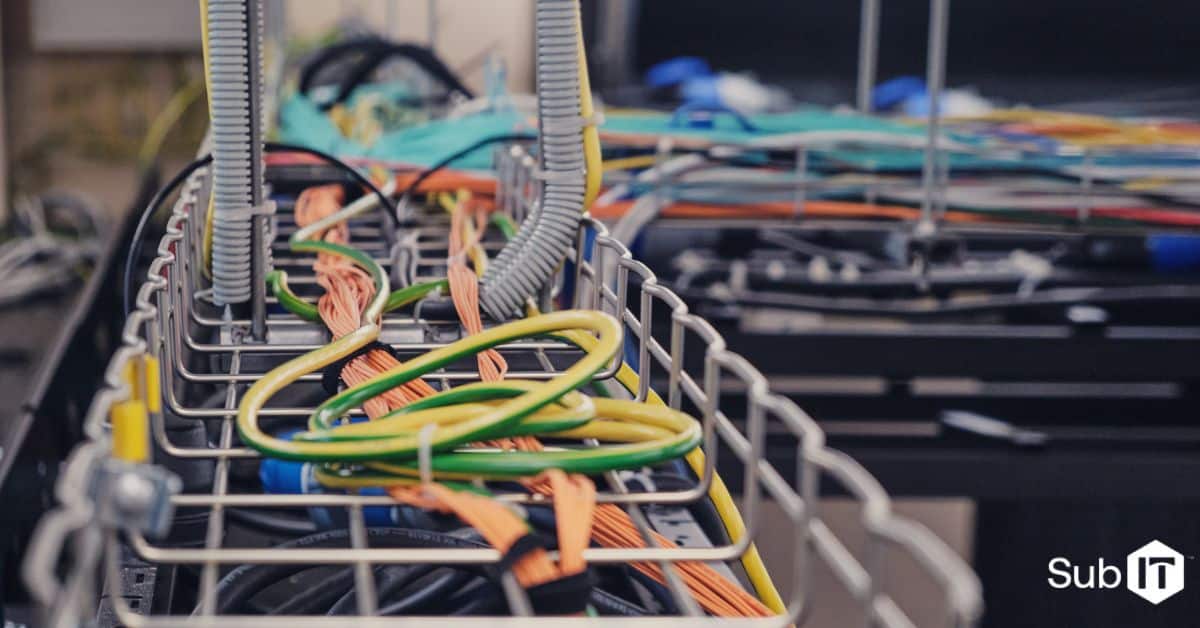
What is Network Cabling: Network Cabling Standards
Network cabling follows structured standards to make sure everything works smoothly and consistently, no matter where it’s used. These standards set the rules for how cables are designed, installed, and tested. Here are the most important ones:
- TIA/EIA-568
- Created by the Telecommunications Industry Association (TIA).
- It sets guidelines for commercial buildings to organize and manage cables.
- It defines how cables should be installed in offices, making sure networks are reliable and efficient.
- ISO/IEC 11801
- This is the international standard for structured cabling systems.
- It helps businesses and data centers around the world maintain the same quality and performance.
Why do standards matter?
These established standards confirm cables are compatible with different devices and systems. By standardizing the installation of network cabling across the board, it allows for easier troubleshooting and higher network speeds.
5 Components of a Network Cabling System
A network cabling system is more than just cables. It includes different parts that work together to keep the network running smoothly. Here are the key components:
- Patch Panels: These panels organize and connect cables. Think of them as a “control center” where all the cables meet.
- Switches: Switches direct data to the correct device on a network, like a computer to a printer.
- Routers: They connect the local network to the internet. Routers manage data moving in and out of the network.
- Connectors: Connectors attach cables to devices like switches, routers, or computers.
- Cable Management Tools: These include trays, clips, and ties that keep cables neat and organized. Good cable management prevents tangling and makes troubleshooting easier.
5 Benefits of Network Cabling
Network cabling offers several key benefits:
- High Performance
- Structured cabling supports faster data transfer and handles high bandwidth.
- It can enhance streaming videos, gaming, or downloading large files quickly without interruptions.
- Reduced Interference
- Quality cables prevent signal interference, which means fewer connection issues.
- Shielded cables stop outside electrical signals from slowing down your network.
- Easy Upgrades and Maintenance
- Organized cabling makes it simple to upgrade or add more devices.
- This can allow businesses to expand their network without replacing all the cables.
- Cost Efficiency
- While setting up structured cabling may seem costly at first, it saves money in the long run.
- Fewer issues mean less downtime, fewer repairs, and better productivity.
- Future-Proofing
- Structured systems are ready for new technology, like faster internet speeds or advanced devices.
- For example, upgrading from Cat5e to Cat6a cables becomes much easier when cables are already organized.
6 Steps to Plan and Install Network Cabling
Setting up network cabling requires careful planning. Here are the 6 steps to allow for a smooth and reliable system:
- Assess Your Network Needs
- Determine how many devices (computers, printers, phones) will connect to the network.
- For example, a small office might need 10 connections, while a larger business could need 100+.
- Design the Network Layout
- Plan where the cables, switches, and patch panels will go.
- Cables should follow clean paths, avoiding power lines to reduce interference.
- Choose the Right Cables
- Pick cables that match your speed and distance needs:
- Cat5e for basic setups.
- Cat6 or Cat6a for high speeds and businesses.
- Fiber Optic for long distances or data centers.
- Pick cables that match your speed and distance needs:
- Install the Hardware
- Set up patch panels, switches, routers, and cable connectors.
- Use cable management tools to keep everything organized.
- Run and Connect the Cables
- Install cables through walls, ceilings, or under floors, and connect them to devices.
- Label cables for easy troubleshooting later.
- Test the Network
- Check all connections to confirm that cables work properly and provide the expected speeds.
- Use cable testers to identify any weak or broken connections.
Common Network Cabling Problems and Solutions
Even the best network cabling systems can face issues. Here are some common problems and how to fix them:
- Signal Interference
- Problem: Electrical devices or power lines can interfere with network signals.
- Solution: Use shielded cables (like Cat6a) and keep cables away from power lines.
- Cable Wear and Tear
- Problem: Over time, cables can get damaged, bent, or frayed.
- Solution: Use proper cable management tools like trays and clips. Replace damaged cables quickly.
- Slow Data Speeds
- Problem: Older cables, like Cat5e, may not handle high-speed internet or heavy workloads.
- Solution: Upgrade to Cat6 or fiber optic cables for faster and more reliable speeds.
- Poor Cable Organization
- Problem: Messy or tangled cables make troubleshooting difficult.
- Solution: Organize cables with patch panels, labels, and color coding.
- Loose or Faulty Connectors
- Problem: Connectors can become loose, disrupting connections.
- Solution: Check and replace loose connectors with RJ45 connectors or secure fiber optic connections.
What is Network Cabling: Industries That Benefit from Network Cabling
A multitude of industries benefit from network cabling:
- Offices and Enterprises
- Offices rely on cabling to connect computers, printers, phones, and servers for smooth day-to-day operations.
- Data Centers
- Data centers require high-speed cables like fiber optic to manage massive amounts of data.
- Schools and Universities
- Educational institutions use network cabling for computer labs, online learning, and administration systems.
- Healthcare Facilities
- Hospitals need reliable cabling to support medical devices, patient records, and communication systems.
- Retail Spaces
- Stores use network cabling to connect point-of-sale (POS) systems, inventory software, and security cameras.
Professional Network Cabling Services
Setting up a network can be tricky, especially for large spaces. Hiring professionals for network cabling makes sure the system is reliable, organized, and ready for future needs.
Why Hire Network Cabling Professionals?

- Experienced Planning: Professionals design a system tailored to your needs, preventing mistakes like overloading or poor layouts.
- Proper Installation: They use the right tools and techniques to set up cables securely and efficiently.
- Future-Proof Solutions: Skilled professionals can recommend cables that support growth and faster speeds.
- Reduced Downtime: A professionally installed system reduces connection issues and makes troubleshooting easier.
Key Services Offered
- Network Design
- Professionals assess your needs and create a plan for cable layout, equipment, and connections.
- They focus on proactively planning cable paths to avoid interference and messy installations.
- Cable Installation
- Professionals install cables through walls, ceilings, and floors with proper tools.
- Maintenance and Repairs
- Regular checks to confirm the network runs smoothly. Damaged cables or connectors are quickly fixed.
- Skilled technicians test connections to secure maximum speed and performance.
- Upgrades
- Professionals help upgrade older systems (like Cat5e) to newer options (Cat6a or fiber optic cables) for faster speeds.
Frequently Asked Questions (FAQs)
Here are answers to some common questions about network cabling:
- What is the difference between Cat5e and Cat6 cables?
- Cat5e supports speeds up to 1 Gbps and works well for small setups.
- Cat6 handles up to 10 Gbps and reduces interference, making it ideal for offices and businesses.
- How long does network cabling last?
- Network cables typically last 10-15 years, depending on the quality of the installation and how well they’re maintained.
- Can I install network cabling myself?
- For small setups, yes. However, professional installation is best for large spaces making sure the system is organized, fast, and future-proof.
- What is fiber optic cabling used for?
- Fiber optic cables are used for high-speed, long-distance data transfer. They’re perfect for data centers, large buildings, and high-performance networks.
- How do I know if my network cables need an upgrade?
- If you experience slow internet speeds, frequent connection drops, or outdated cables like Cat5e, it’s time to upgrade to Cat6 or fiber optics.
- What is structured cabling?
- Structured cabling is an organized system of cables, patch panels, and switches that keeps the network clean, efficient, and easy to manage.
Upgrade Your Network with Confidence
Ready to upgrade your network infrastructure with a team that delivers enterprise-level solutions and unmatched customer satisfaction? Contact SubIT today to schedule a consultation and discover how our skilled IT and network cabling services can drive your business forward!